
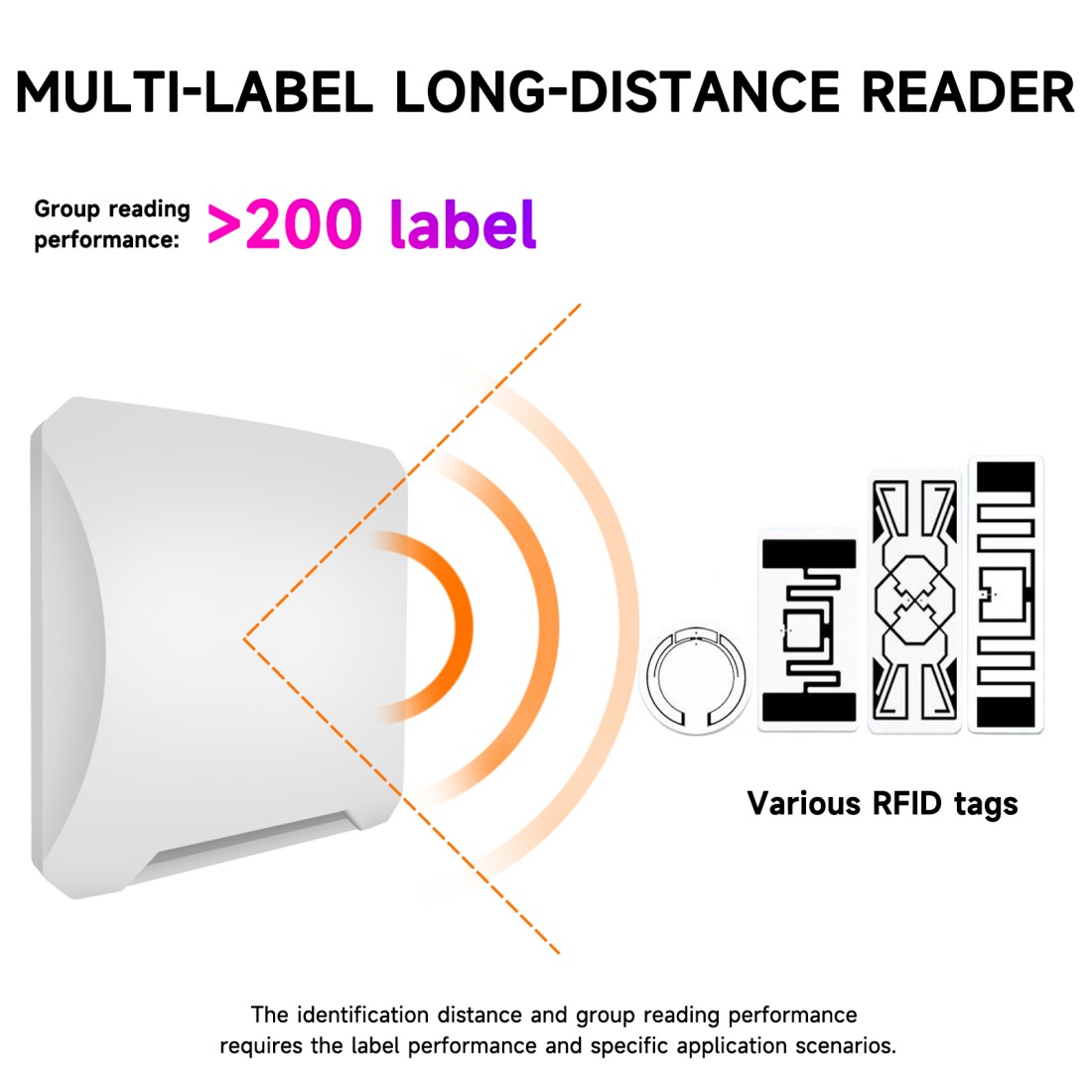
Integrating RFID reader data into a database within an application involves several steps:
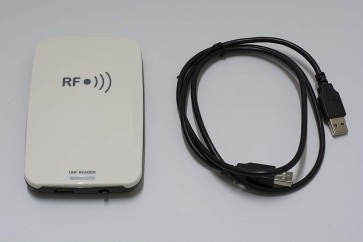
- RFID Hardware Setup:Ensure the RFID reader is properly connected and configured. This may involve connecting via USB, Ethernet (TCP/IP), or serial port (RS232), depending on the reader model.
- RFID Reader SDK/API:Obtain and utilize the Software Development Kit (SDK) or API provided by the RFID reader manufacturer. This SDK will contain libraries and documentation for communicating with the reader and retrieving tag data.
- Application Development:Develop an application (using languages like C#, Java, Python, Node.js, or PHP) that interfaces with the RFID reader. This application will:
- Establish Communication: Connect to the RFID reader using the appropriate communication protocol (e.g., serial port, TCP/IP).
- Send Commands: Send commands to the reader to initiate tag reading, configure settings, or perform other operations as defined by the reader's SDK.
- Receive Data: Listen for and receive data transmitted by the RFID reader when tags are detected. This data typically includes the tag's unique identifier (EPC), potentially other stored data, and reader-specific information like antenna ID and timestamp.
- Database Design:Design a database schema to store the RFID data. This typically includes tables for:
- Tags: Storing unique tag identifiers and associated information (e.g., item details, asset ID).
- Readers: Storing details about the RFID readers (e.g., location, type).
- Transactions/Reads: Storing records of when and where tags were read, including timestamps, tag IDs, reader IDs, and any other relevant data.
- Data Processing and Storage:Within the application:
- Parse RFID Data: Extract the relevant information (e.g., tag ID, timestamp) from the raw data received from the RFID reader.
- Validate and Sanitize Data: Implement data validation and sanitization to ensure data integrity and prevent security vulnerabilities (e.g., SQL injection).
- Insert into Database: Use database connectivity libraries (e.g., ADO.NET for C#, JDBC for Java, SQLAlchemy for Python) to insert the processed RFID data into the appropriate tables in your database.
- Error Handling and Logging:Implement robust error handling to manage communication issues with the reader or database errors. Log relevant events and errors for troubleshooting and auditing purposes.


Validate your login